

Did you know that sweet potatoes require well-worked sandy soil to grow the perfect tuber? Rocks or compacted soil can cause the roots to grow into interesting shapes!
read moreDid you know that peas are an excellent crop for elevated garden? Well drained soil is critical for pea success. To use a trellis in an elevated garden (and still keep plants harvestable) consider angling your trellis down or across.
read moreDid you know that Kohlrabi is also called a “turnip cabbage” as it is part of the Cole family and has flavor characteristics of both those plants? The name comes from the German “kohl” meaning cabbage and “rabi” meaning turnip. This plant was introduced into the US around 1800.
read moreDid you know that parsnip roots are not harmed by the ground freezing? Your garden is the best storage space for mature parsnips – some people even think this enhances flavor (the low temps convert the root’s starch to sugar). Make sure you harvest before the ground becomes unworkable.
read moreDid you know you can plant beets very early in the spring and still get a successful grow? Beets are frost resistance and make a great winter crop in the south.
read moreDid you know that tomatoes stop growing when the temperature reaches 95 degrees Fahrenheit? Best performance is achieved between 65 degrees and 85 degrees. If evening temperatures do not fall below 85 degrees, the fruit will not ripen properly.
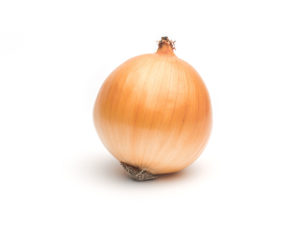
read moreDid you know that onions are frost hardy? Bulbs can be planted over the fall and winter in the south for spring harvest.
read moreDid you know that New Zealand spinach (Tetragonia tetragonoides) is not actually spinach? It is a member of the Marigold family that, when cooked, is a ready replacement for spinach. New Zealand spinach is heat tolerant and can be grown all summer – regular spinach enjoys cooler weather.
read moreDid you know that once the main head is harvested, smaller clusters or heads will grow from the cut point – meaning you can get mini-broccoli after the main head is harvested!
read moreDid you know that Okra grows best in well-draining soils and gardens? Too much moisture causes stem rot. While Okra is not recommended for traditional container gardens, it will grow well in a properly maintained Eco Garden.
read more
