

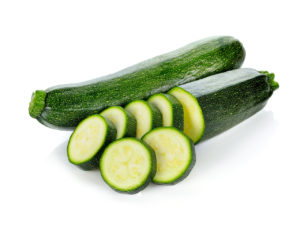
Did you know you should always harvest summer squash varieties when the fruit is small? As the fruit gets larger, you run the risk of having the plant stop producing flowers and reduce your overall crop.
read moreDid you know that you should avoid handling squash plants when the leaves are wet? This can cause a powdery mildew to form – and this can then spread disease throughout the plant. Avoid watering the foliage if at all possible.
read moreDid you know that vining squash can be grown in an elevated garden? Just make sure you train the vines to grow over the side or into a trellis – otherwise you risk the squash plant taking over your entire growing space!!
read moreDid you know that squash are nutrient intensive? This means your spoil will need constant fertilization to make sure you get fruit and not just flowers! Squash also needs well worked soil and good drainage to thrive.
read moreDid you know that Summer Squash is part of the cucumber family? While Summer Squash is technically a “squash”, we typically consume the immature fruit as a “summer” variety – where the skin and the flesh are considered edible.
read moreDid you know that, while squash blossoms can be either male or female, they need pollinators to help achieve full pollination? If you are an apartment deck gardener, you may need to employ a soft-bristled brush to pollinate your female flowers (they will be the ones with an immature fruit or “bulge” just below the flower).
read moreDid you know that summer squash is a warm weather crop? These plants enjoy night temperatures above 60 degrees and should not be planted until two to three weeks after the last frost. In Minnesota, we recommend using starter plants – you can start seeds four to five weeks prior to planting date.
read moreDid you know that “Summer Squash” is made up of many varieties? From Zucchini to pattypan, crookneck, scallop and straightneck – all of these varieties are considered part of the “Summer” family.
read more
