
Did you know that, while squash blossoms can be either male or female, they need pollinators to help achieve full pollination? If you are an apartment deck gardener, you may need to employ a soft-bristled brush to pollinate your female flowers (they will be the ones with an immature fruit or “bulge” just below the flower).
read moreDid you know that kale requires a slightly higher pH than many other plants and is a bit of a nitrogen hog? If you have sandy soil, plan on supplementing nitrogen for your kale to maximize performance.
read moreDid you know that freezing peas for longer periods decreases the overall flavor? Edible pods hold their flavor better during the freezing process.
read moreDid you know that sweet potatoes come in both dry and moist varieties? This describes their texture while being consumed. Moist varieties are often called yams, but yams are actually a different species grown in more tropical climates and countries.
read moreDid you know that like traditional string beans, lima beans do better in full sun?
read moreDid you know that broccoli can survive temperatures as low as 20 degrees Fahrenheit? This makes it an ideal northern crop – temps outside of this range can cause broccoli to “bolt” or go directly to seed without ever forming the head.
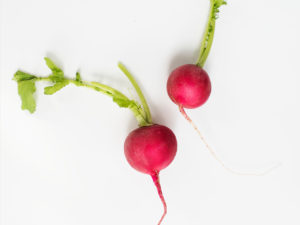
read moreDid you know that radishes are cool season crops? It is possible to get two or three crops in the springtime alone!
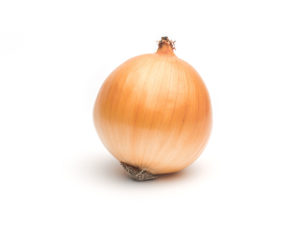
read moreDid you know that Bermuda onions require the shortest “day” period to grow? Onion tops require cooler weather but the bulbs themselves require warmer weather to mature.
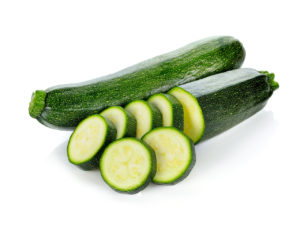
read moreDid you know that summer squash is a warm weather crop? These plants enjoy night temperatures above 60 degrees and should not be planted until two to three weeks after the last frost. In Minnesota, we recommend using starter plants – you can start seeds four to five weeks prior to planting date.
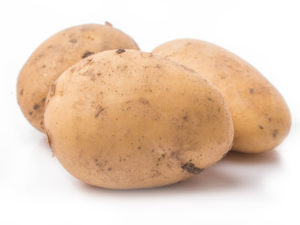
read moreDid you know that potatoes are related to tomatoes, eggplant and peppers? Potatoes originated in higher altitudes and prefer cooler evening/nighttime temperatures.
read more